

John Travolta's career trajectory reads like a Hollywood screenplay itself, complete with meteoric rises, crushing falls, and triumphant comebacks. The American actor first captured global attention in 1977 with 'Saturday Night Fever,' a cultural phenomenon that transformed him from television regular to international superstar virtually overnight. His portrayal of Tony Manero, the Brooklyn disco dancer with dreams bigger than his circumstances, not only defined an era but established Travolta as a legitimate leading man capable of carrying blockbuster entertainment. The film's success catapulted him into the upper echelons of Hollywood stardom, where million-dollar contracts and red-carpet premieres became his new reality.
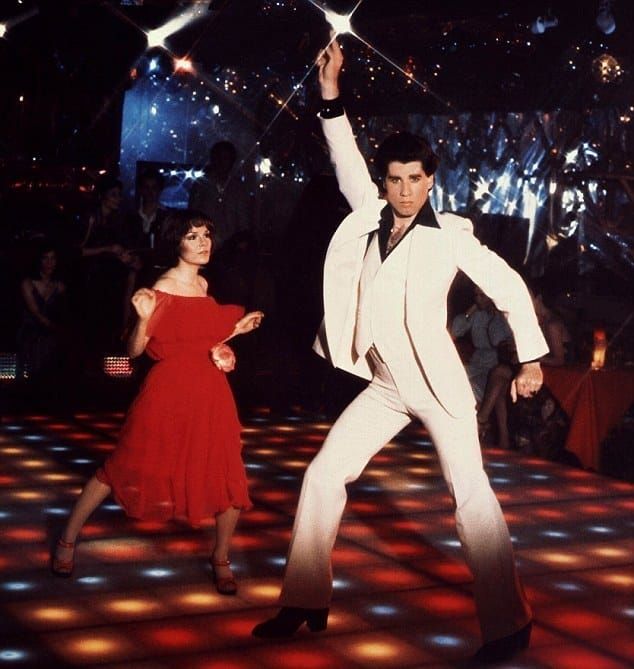
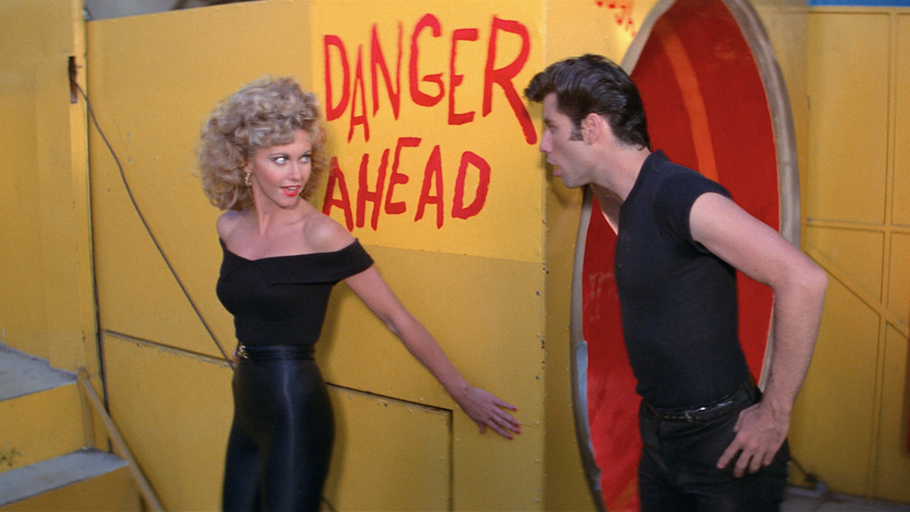
The late 1970s and early 1980s saw Travolta riding high on his newfound fame, starring in major productions that capitalized on his charismatic screen presence and natural dancing ability. However, the entertainment industry's notorious fickleness soon became apparent as his subsequent projects failed to replicate the magic of his breakthrough performance. A series of commercial disappointments and critical misfires relegated the once-hot property to Hollywood's metaphorical wilderness, where former A-listers struggle to reclaim their lost luster. Industry insiders watched as offers dried up and Travolta found himself increasingly marginalized in an business that moves swiftly from one sensation to the next.
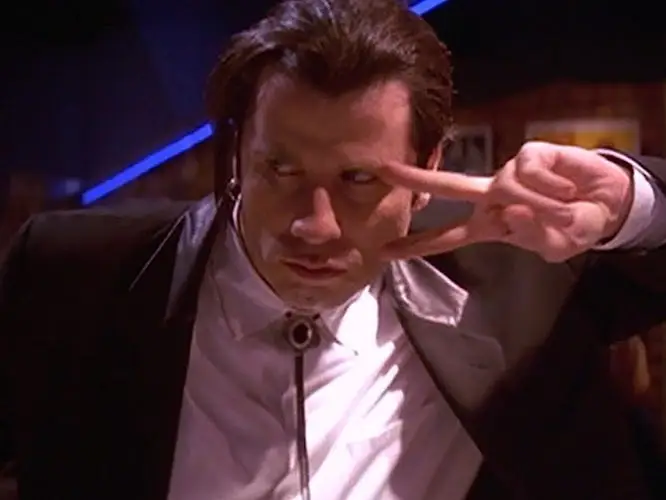
The actor's career resurrection came in 1994 through an unlikely savior: Quentin Tarantino's 'Pulp Fiction.' The director's decision to cast Travolta as Vincent Vega, the philosophical hitman with a taste for vintage culture, proved to be a masterstroke that reinvented the actor's public persona. Tarantino's unconventional narrative structure and razor-sharp dialogue provided the perfect vehicle for Travolta to demonstrate his evolved acting abilities, earning him an Academy Award nomination and widespread critical acclaim. The film's success at Cannes and subsequent cultural impact proved that second acts in American entertainment were indeed possible for those willing to take creative risks.
Following his 'Pulp Fiction' renaissance, Travolta experienced a sustained period of renewed relevance in Hollywood, appearing in a diverse array of projects that showcased his range beyond the dancing roles that first made him famous. From action thrillers to comedies to dramatic character studies, he demonstrated a versatility that many critics had previously questioned. This career phase established him as a survivor in an industry known for discarding talent, someone who could adapt to changing audience tastes while maintaining his distinctive screen presence. His ability to reinvent himself became a case study for entertainment industry professionals analyzing career longevity.

Now Travolta returns to the prestigious Cannes Film Festival with 'One-Way Night Coach,' marking his directorial debut and representing another significant career pivot for the multifaceted entertainer. The transition from actor to filmmaker represents a natural evolution for someone who has spent decades studying the craft from in front of the camera. Industry observers are watching closely to see whether Travolta can successfully navigate the challenges of directing, a role that demands different skills than performance while requiring deep understanding of storytelling mechanics. His presence at Cannes as a director rather than merely an actor signals his continued relevance in contemporary cinema.
The festival presentation of Travolta's directorial effort symbolizes both personal achievement and industry validation for an artist who has weathered multiple career storms. His journey from disco-era heartthrob to respected filmmaker illustrates the unpredictable nature of entertainment careers and the importance of persistent creative evolution. Whether 'One-Way Night Coach' will mark another successful reinvention remains to be seen, but Travolta's willingness to continue taking risks demonstrates the entrepreneurial spirit that separates lasting performers from temporary sensations. His story continues to unfold on the world's most prestigious cinema stages.